

 English
 русский
 Español
 عربى
عربى 中文简体
中文简体
Contenido
- 1 What a Disc Mill Actually Does
- 2 Common Disc Mill Applications
- 3 How a Disc Mill Differs from a Pulverizer
- 4 Key Technical Parameters to Evaluate
- 5 Disc Mill vs. Hammer Mill vs. Ball Mill
- 6 Choosing the Right Disc Set and Blade Material
- 7 Production Line Considerations
- 8 Purchasing Considerations: Tolerances, Cost, and Service
- 9 Making the Final Decision
When a disc mill is on your shortlist, the first question is not which brand to buy. It is whether the machine matches the material you feed it and the powder you need out of it. A disc mill uses two rotating discs to grind, shear, and compress feed stock into a controlled particle size. It handles brittle, dry, and granular materials, and in plastic processing it is a common alternative to hammer mills and pulverizers. To avoid a costly mismatch, you need to check the disc geometry, speed, feed rate, and wear life before you commit.
What a Disc Mill Actually Does
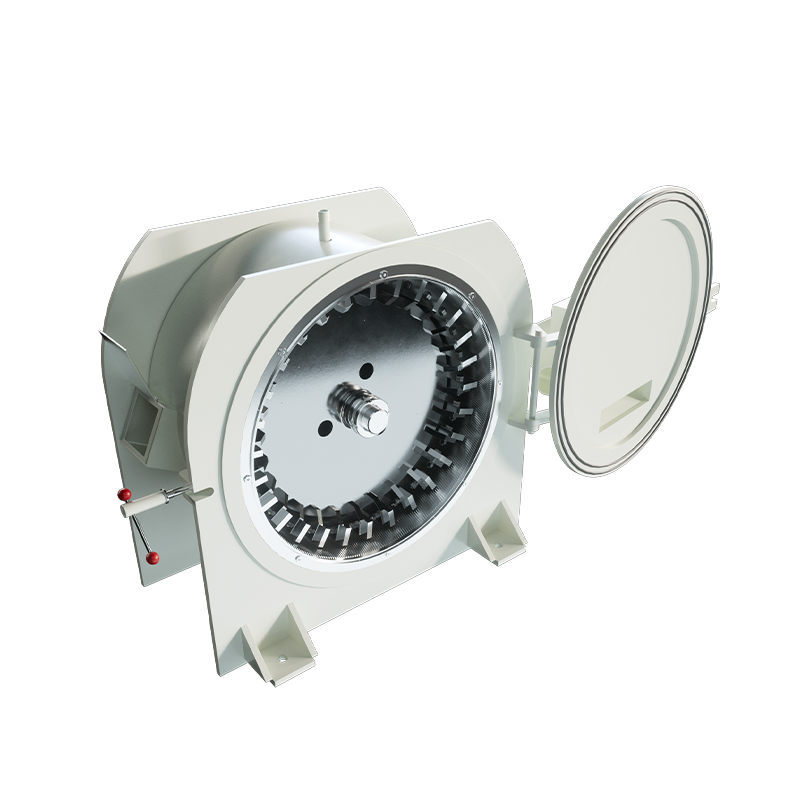
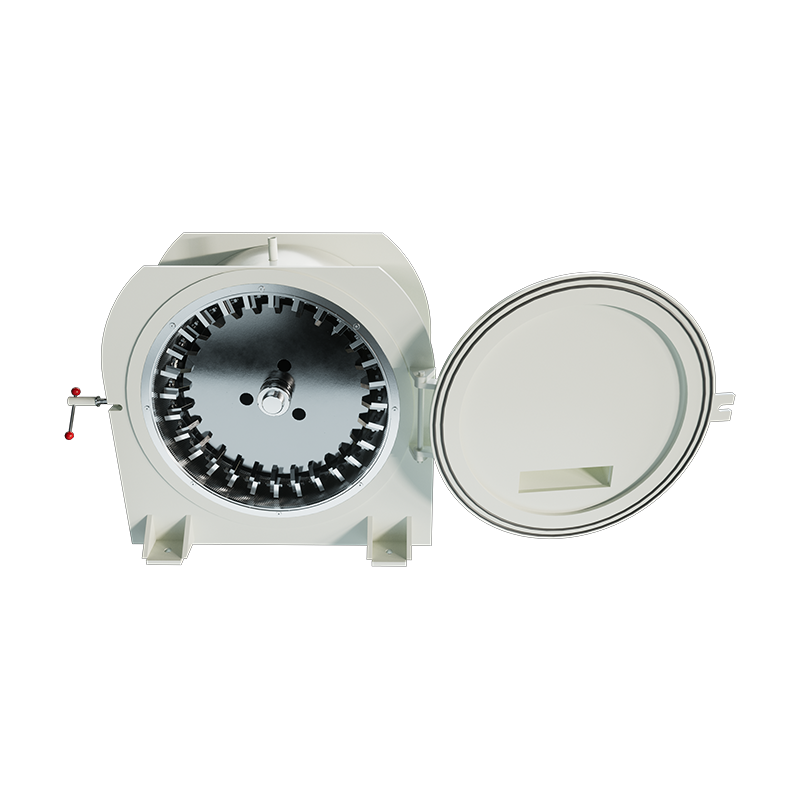
A disc mill relies on adjustable clearance between two discs, one stationary and one rotating. Material is fed through the center and is reduced as it moves outward. The main reduction mechanisms are compression and shearing, with some impact depending on the disc pattern. The result is a consistent powder with a relatively narrow size distribution, which is often what downstream processes need.
In plastic applications, disc mills can be used for grinding PVC, PE, PA, and PP. They can also be used for minerals, grains, and chemicals, but the machine must be configured for that material. A plastic disc mill uses alloy steel discs and a cooling or ambient design to avoid melting the polymer. A grain disc mill uses different disc patterns and speeds.
Common Disc Mill Applications
Disc mills are not a one-size-fits-all solution. The best use cases are dry, brittle, and granular materials that do not require very fine sizes below around 100 microns. For plastics, room-temperature disc mills are used for PE and PP, while PVC often uses a slightly different disc configuration. The following table summarizes typical applications and limitations.
| Material Type | Disc Mill Suitability | Typical Output | Main Concern |
|---|---|---|---|
| PVC powder | High | 200–500 mesh | Heat generation and wear |
| PE rotomolding powder | High | 300–600 micron | Uniformity and flowability |
| PA / PP | Medium-High | 250–800 micron | Ambient operation required |
| Grains and feed | High | Coarse to medium flour | Moisture content |
| Minerals and ores | Medium | 100–500 mesh | Hardness over 7 Mohs |
If your material is sticky, wet, or extremely hard, a disc mill may not be the right choice. For those cases, a pulverizer or jaw crusher in sequence might be better. But for dry, brittle plastics and many food and mineral products, the disc mill offers a repeatable and quiet reduction method.
How a Disc Mill Differs from a Pulverizer
The terms disc mill and pulverizer are sometimes used interchangeably, but they refer to different machine families. A pulverizer usually uses a rotor with blades or hammers to impact and grind material, and it is often designed for a specific polymer such as PVC or PE. A disc mill uses flat or toothed discs to apply compression and shear. For plastic powder production, the practical difference is in particle shape and heat generation.
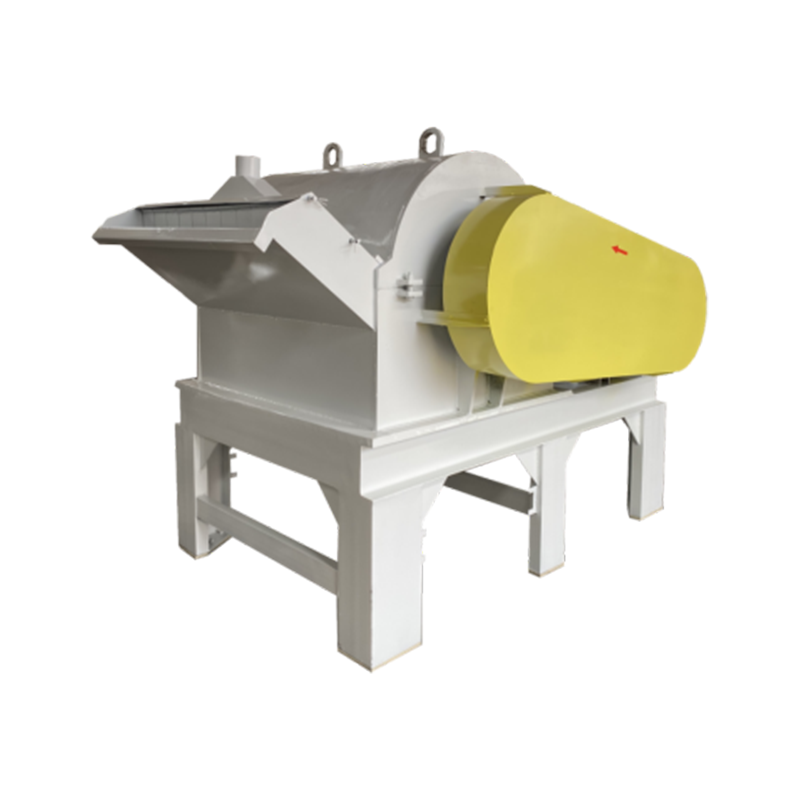
Disc mills produce a flake-like powder that can have better flowability for rotomolding. Pulverizers can generate more fines but may need liquid nitrogen for heat-sensitive materials. If you process PA or PP, a room-temperature disc mill can avoid the cost of cryogenic grinding. A typical example is the 500 PA/PP ambient temperature grinder , which is designed specifically to operate without liquid nitrogen.
Key Technical Parameters to Evaluate
Before requesting a quote, you should have clarity on the following five parameters. These are the values that determine whether a disc mill can meet your production target.
- Disc diameter . Larger discs increase the grinding area and throughput but also increase power requirement. Typical diameters range from 300 mm to 900 mm.
- Rotational speed . Higher speed means more impacts and finer powder, but it also means more heat and wear. For plastics, speed is often kept under 4,000 rpm.
- Feed particle size . Disc mills work best with small feed chunks, usually under 10 mm. Oversize feed will cause jamming and premature disc wear.
- Target output size . If you need below 100 microns, a disc mill may be sufficient for some materials but not all. For very fine PVC powder, an 800 or 900 model with fine disc geometry is often used.
- Temperature control . For thermal-sensitive polymers, the machine must operate at ambient temperature or with cooling support. Checking the material specification for PA/PP should confirm no liquid nitrogen is required.
An example of a disc mill designed for high-output plastic grinding is the 800 series high-capacity masterbatch pulverizer , which is built for continuous production of masterbatch and polymer compound powders.
Disc Mill vs. Hammer Mill vs. Ball Mill
Choosing the right machine requires a comparison of the three main competitors. Each has a distinct mechanism and particle size range.
| Machine Type | Reduction Mechanism | Best for | Particle Size Range | Heat Generation |
|---|---|---|---|---|
| Disc mill | Compression and shear | Dry, brittle materials, plastics, grains | 100 microns – 1 mm | Moderate |
| Hammer mill | Impact | Coarse grinding, recycling, fibrous | 1 mm – 5 mm | Low to moderate |
| Ball mill | Attrition and impact | Fine grinding of minerals and metals | 10 – 100 microns | Low |
For plastic recycling, a hammer mill is often used for crushing scrap before the disc mill refines it into powder. The disc mill is the workhorse for the final particle control stage. For plastics that are not too hard, it provides the narrow particle distribution needed for rotomolding and masterbatch applications.
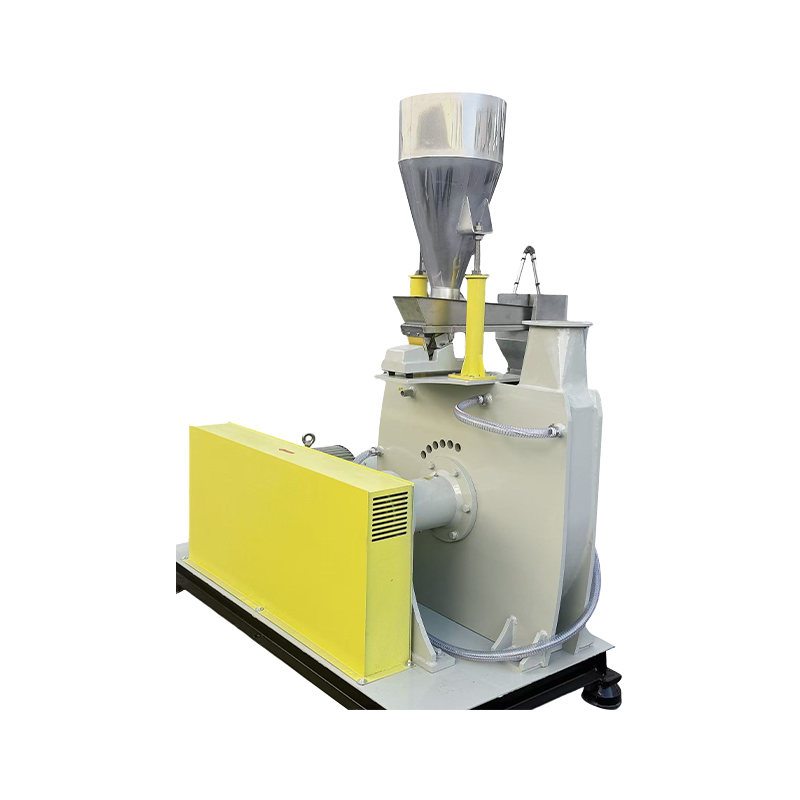
Choosing the Right Disc Set and Blade Material
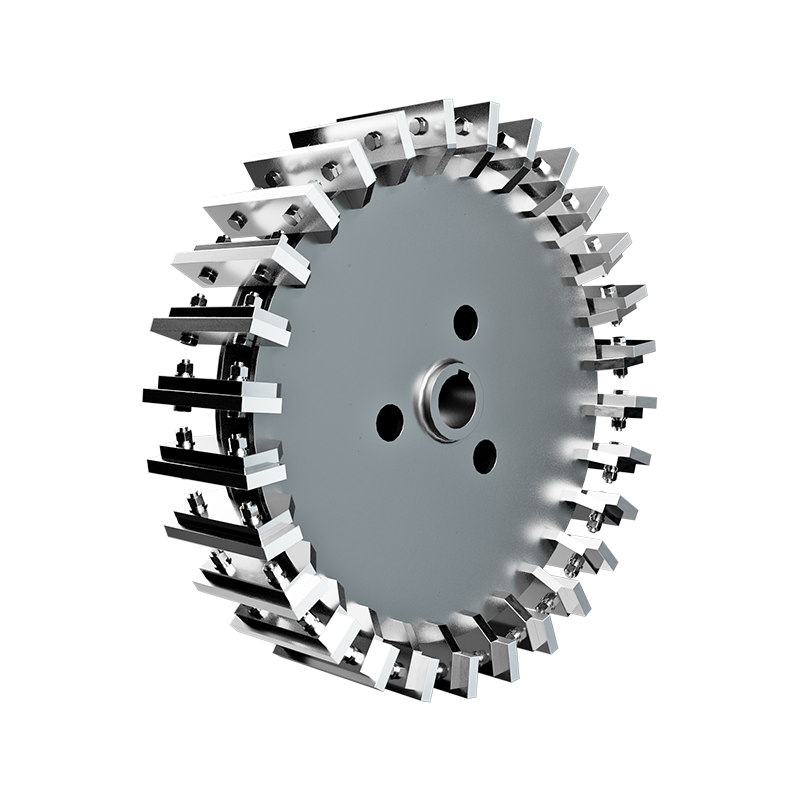
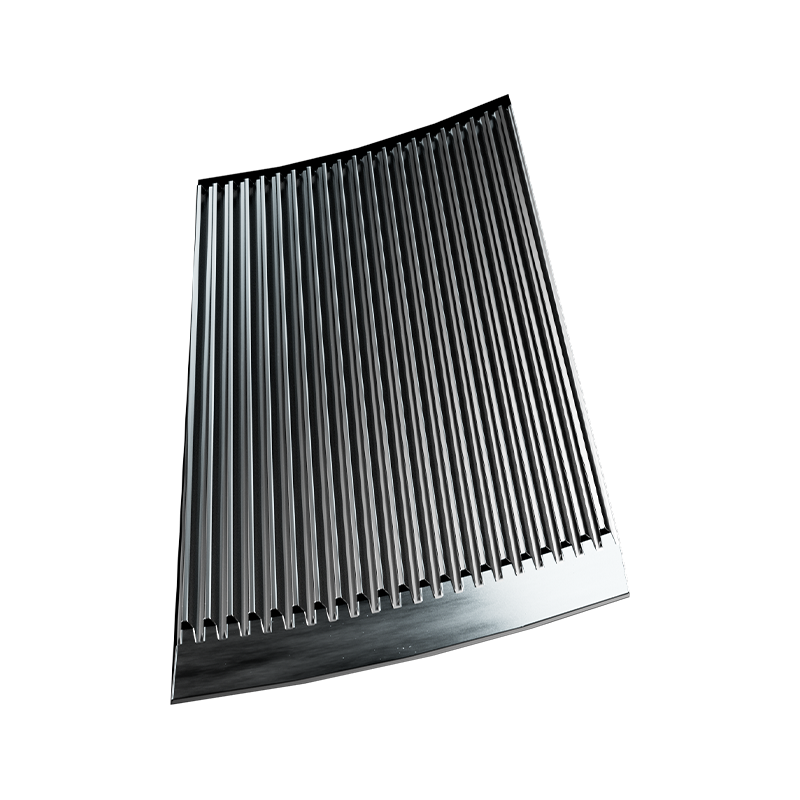
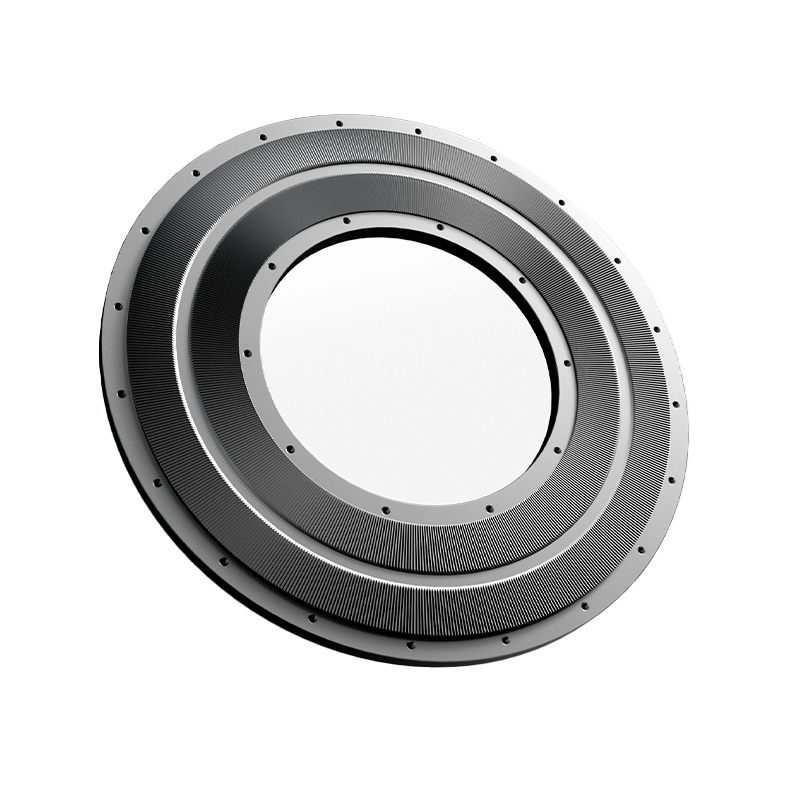
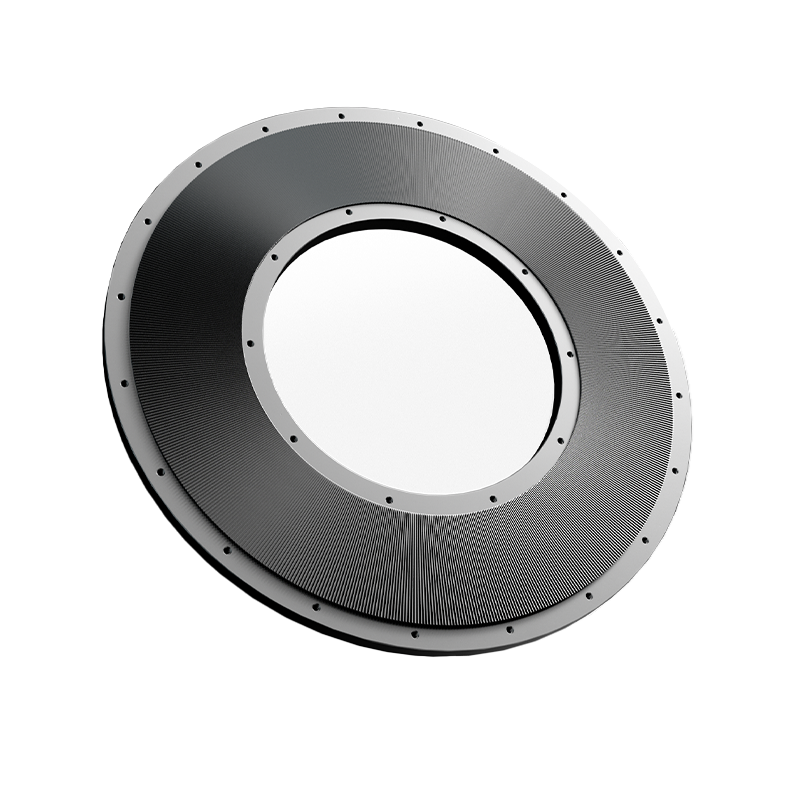
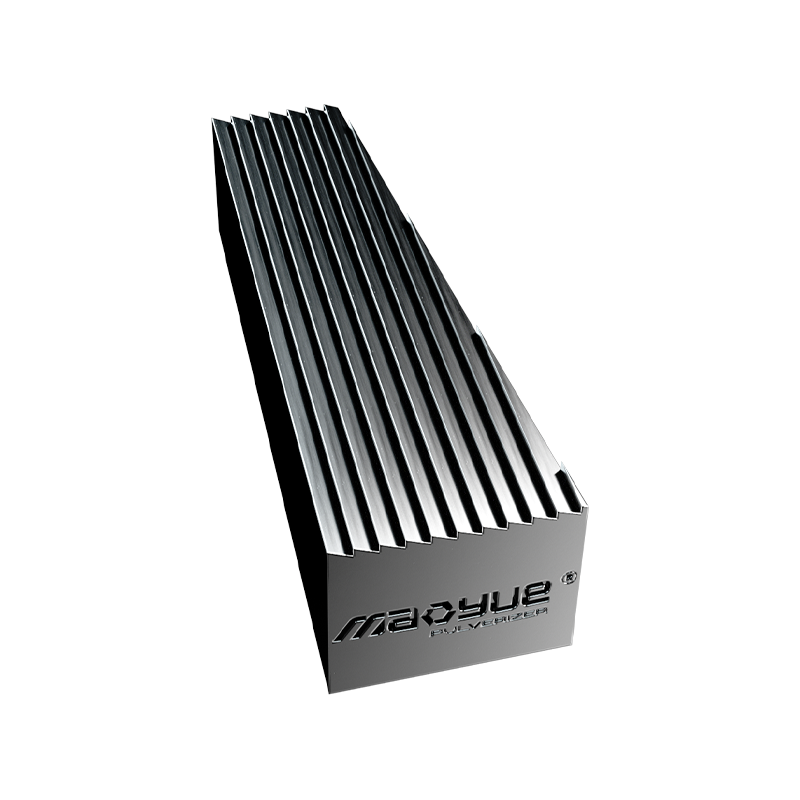
The discs are the most critical component in a disc mill. Their geometry determines the grinding action, and their material determines the wear life. For PVC and PE, discs are usually cast from alloy steel with high hardness. The disc pattern can be double-tooth, integrated, or large disc-shaped rotor.
If you process abrasive materials like glass-filled plastics, you need hardened alloy steel discs that resist pitting. For PVC powder, a smooth disc with fine teeth is often used. The double-tooth disc is a common choice for high shear grinding in plastic applications. The PVC large disc-shaped rotor is another option for high-capacity PVC grinding.
Replacing discs is an ongoing cost. You should ask the supplier about the expected service life in hours and the cost of replacement. A factory that manufactures its own discs, such as a source factory, can often provide better pricing and faster access to spares.
Production Line Considerations
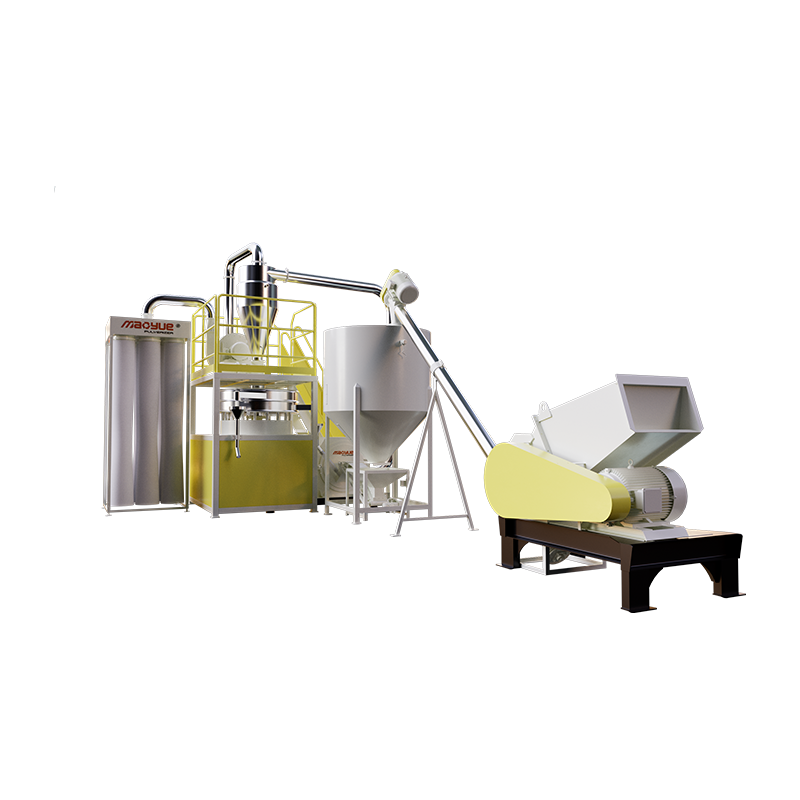
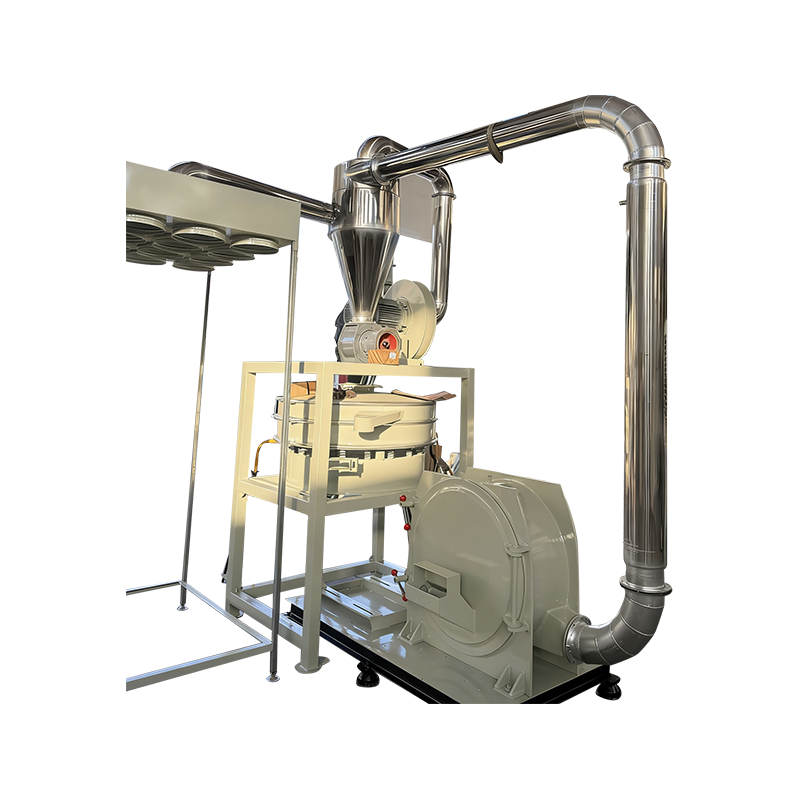
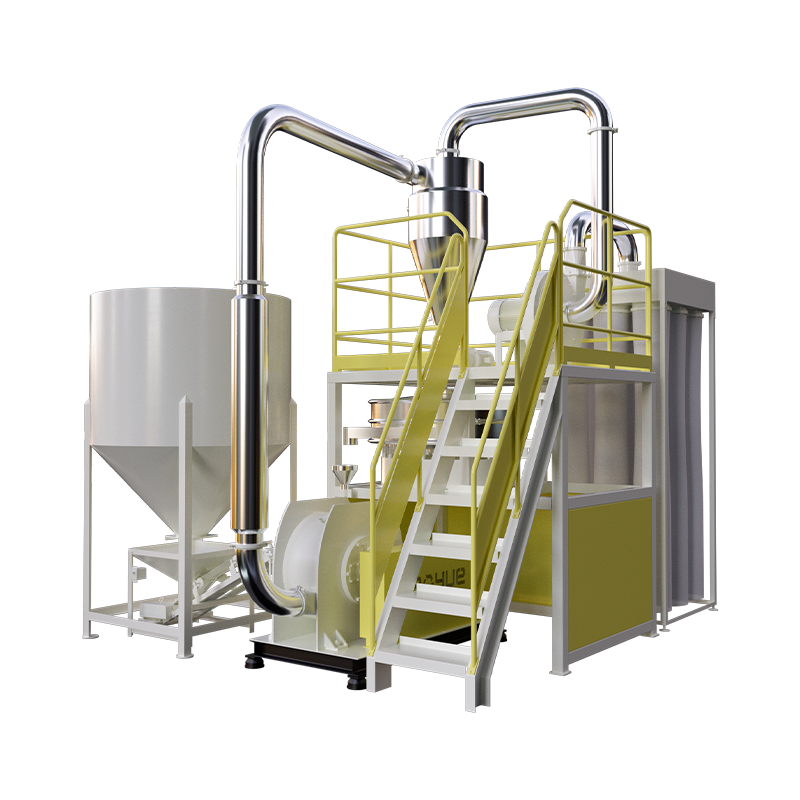
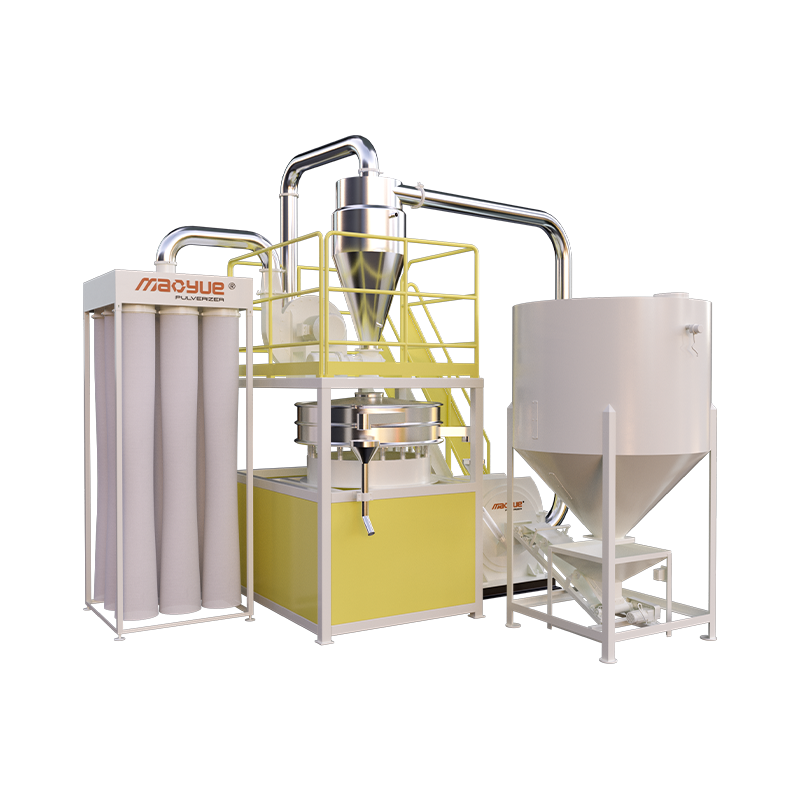
A disc mill is usually not a standalone unit. It is installed as part of a complete crushing and pulverizing line. The line typically includes a crusher, a disc mill, a cyclone separator, and a dust collection system. If you process scrap plastics, you might also need a conveyor and a granulator.
For a complete solution, you can look at a blade-type crushing and pulverizing production line , which integrates a crusher with a pulverizer. A hammer/impact type line is better for coarser and more difficult materials. Deciding whether you need a full line or just a standalone disc mill depends on your existing equipment and the final powder specification.
Purchasing Considerations: Tolerances, Cost, and Service
When you compare quotes, look for the following details in writing.
- Clear output specification . The supplier should state the expected particle size distribution and the capacity in kg/h for your specific material.
- Motor power and voltage . Confirm the installed power and whether the machine can run on your local voltage and frequency.
- Wear parts included . Ask if the initial price includes a set of discs, or if you need to order spares separately.
- Delivery time . A source factory with in-house machining usually has a clear production schedule.
- After-sales support . Check if the manufacturer offers remote troubleshooting, spare parts shipping, and on-site installation.
Because a disc mill is a long-term investment, the total cost of ownership matters more than the initial price. A machine that uses lower quality discs may look cheap at first, but the downtime and replacement costs will erode that saving quickly. A 30-year-old factory with its own machining workshop can offer a more reliable supply of wear parts. The PE rotomolding powder 500 model is designed with high throughput and stable operation, which reflects the kind of robust engineering you should look for.
Making the Final Decision
Start by defining your material and the desired powder characteristics. Then run a simple test with a supplier to see if their disc mill reaches your specification. If you process multiple polymers, a versatile room-temperature disc mill may be the best investment. If you only process PVC, a dedicated PVC disc mill with wear-resistant discs will be more efficient.
Remember that the disc mill is a precision tool. Its performance depends on proper feeding, regular disc maintenance, and correct speed settings. Always ask for a reference list of customers in your industry. That is the best proof that the machine can handle your material. By focusing on these practical points, you can avoid the common pitfalls and choose a disc mill that fits your production process for years to come.